
Patio Design in Aspen
A patio in Aspen has to earn its place. With a growing season that compresses into a handful of weeks and winters that arrive early and leave late, an outdoor surface needs to perform flawlessly during peak season and endure everything else on its own. At EBD Studios, we approach patio design here the way we approach every alpine project: with the full year in mind, not just the weeks the property is in active use.
We work with materials selected specifically for this elevation and this climate. Natural stone, concrete, and regionally sourced materials that handle aggressive freeze-thaw cycling, heavy snow load, and the intense UV exposure that comes with altitude. Every surface is chosen for how it performs across a Roaring Fork Valley winter, not just how it photographs in August.
The design process starts with the site and the way the property is actually used. How many weeks a year is this space occupied? Is this a primary residence or a seasonal retreat? What time of day does the sun reach this part of the property? Do you need wind protection to make the space usable during shoulder seasons? The answers to those questions shape every decision that follows.
Patios Built for the Roaring Fork Valley
Designing a patio at nearly 8,000 feet requires a different set of assumptions than designing at lower elevations. Freeze-thaw cycling here is aggressive and begins earlier in the season than most people expect. Snow load is real and has to be factored into every overhead structure and adjacent planting. The UV intensity at this altitude accelerates the degradation of materials that would hold up fine in a milder climate.
We design for drainage before anything else. Snowmelt in spring moves fast and in volume. Water has to be directed away from the home and off the patio surface without pooling, refreezing, or creating erosion problems in adjacent planting beds. Slopes are calculated precisely. Gravel bases are compacted to handle freeze-thaw movement without settling. Joints are detailed to accommodate expansion and contraction without cracking.
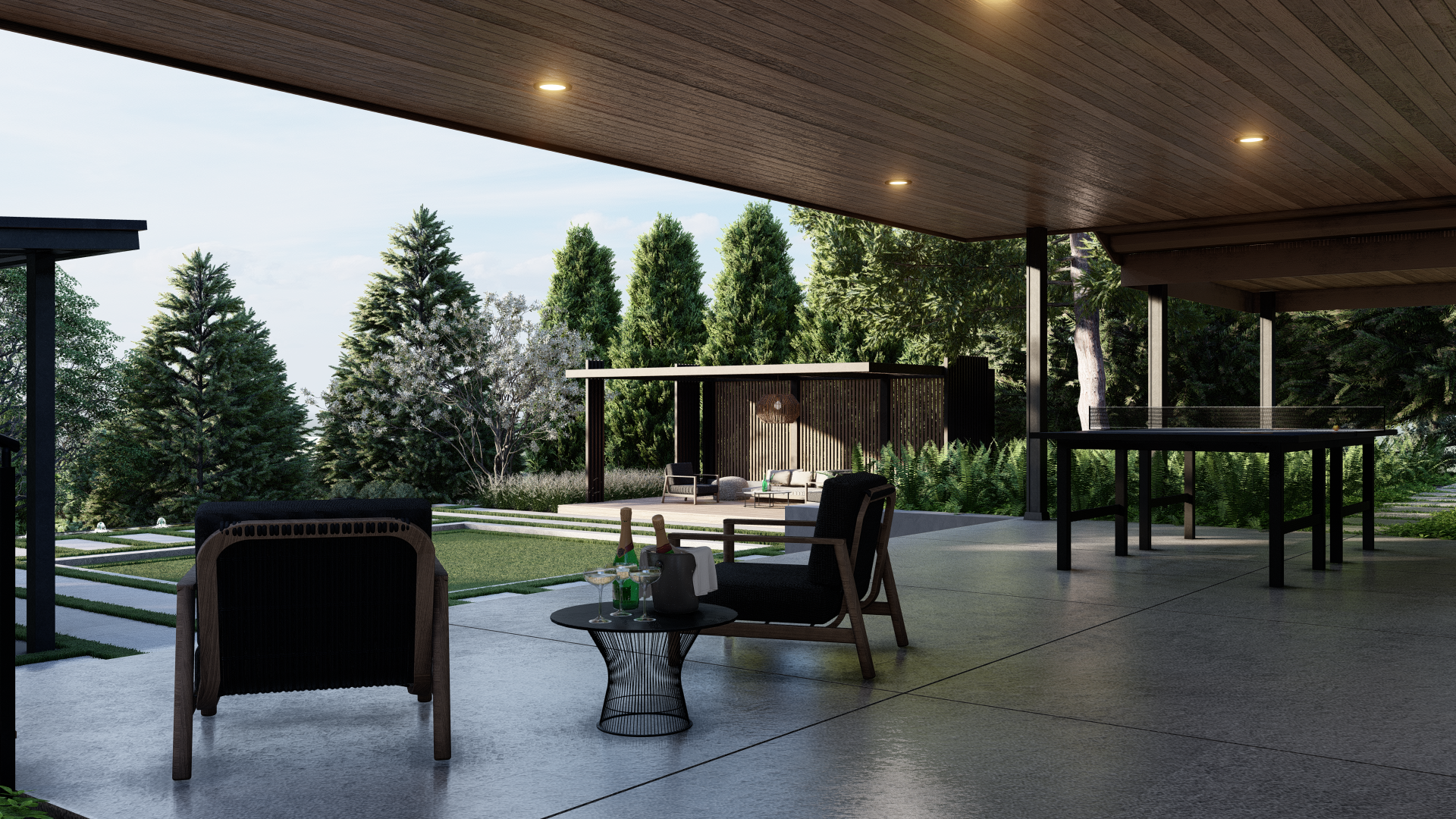
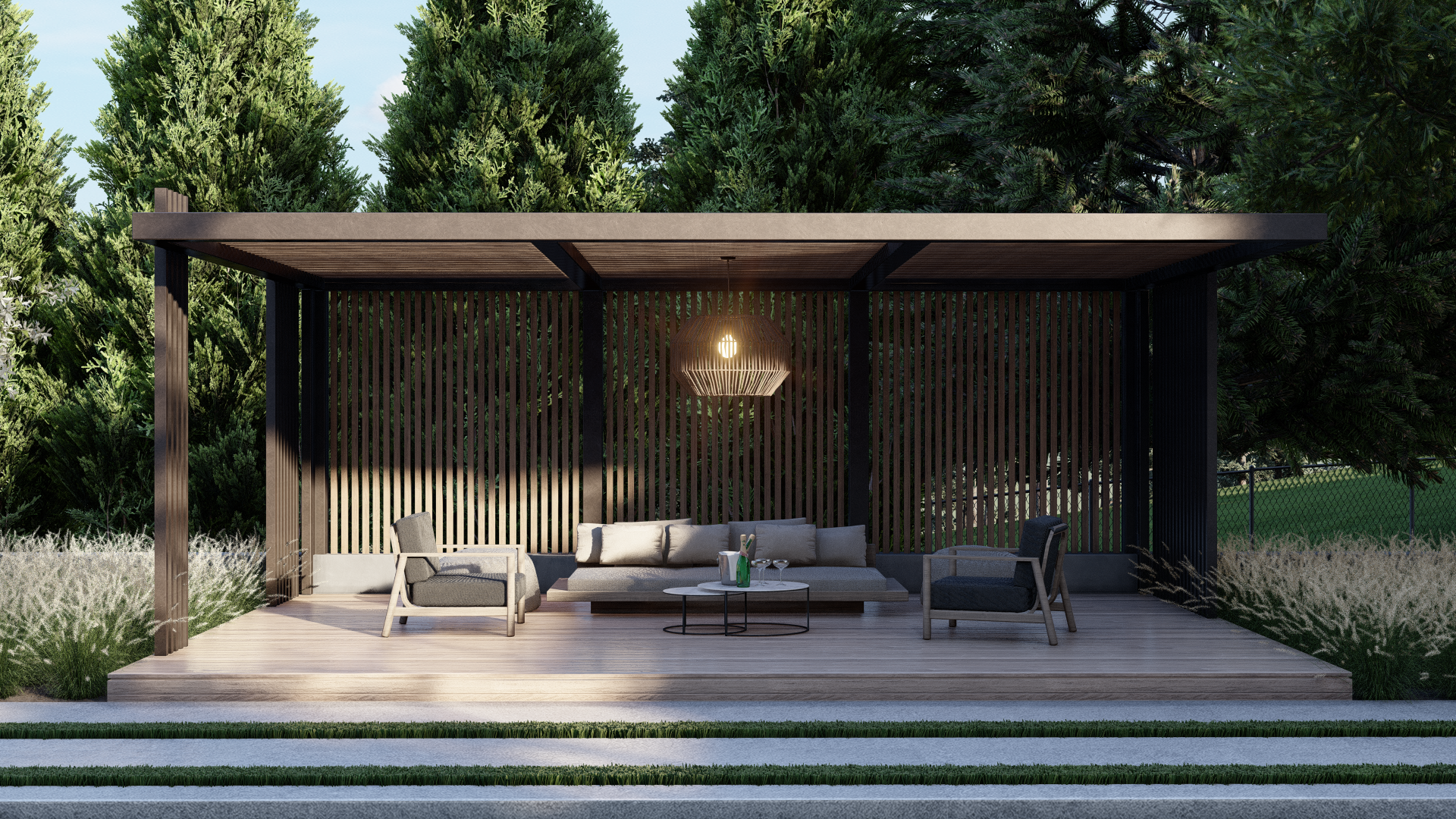
Shade structures are positioned based on sun angle during peak season, when the high-altitude sun is intense and the hours of usable outdoor time are precious. Overhead elements, planted screens, or carefully placed trees can make the difference between a terrace that's comfortable through the afternoon and one that drives people back inside by noon.
Connecting Indoor and Outdoor Spaces
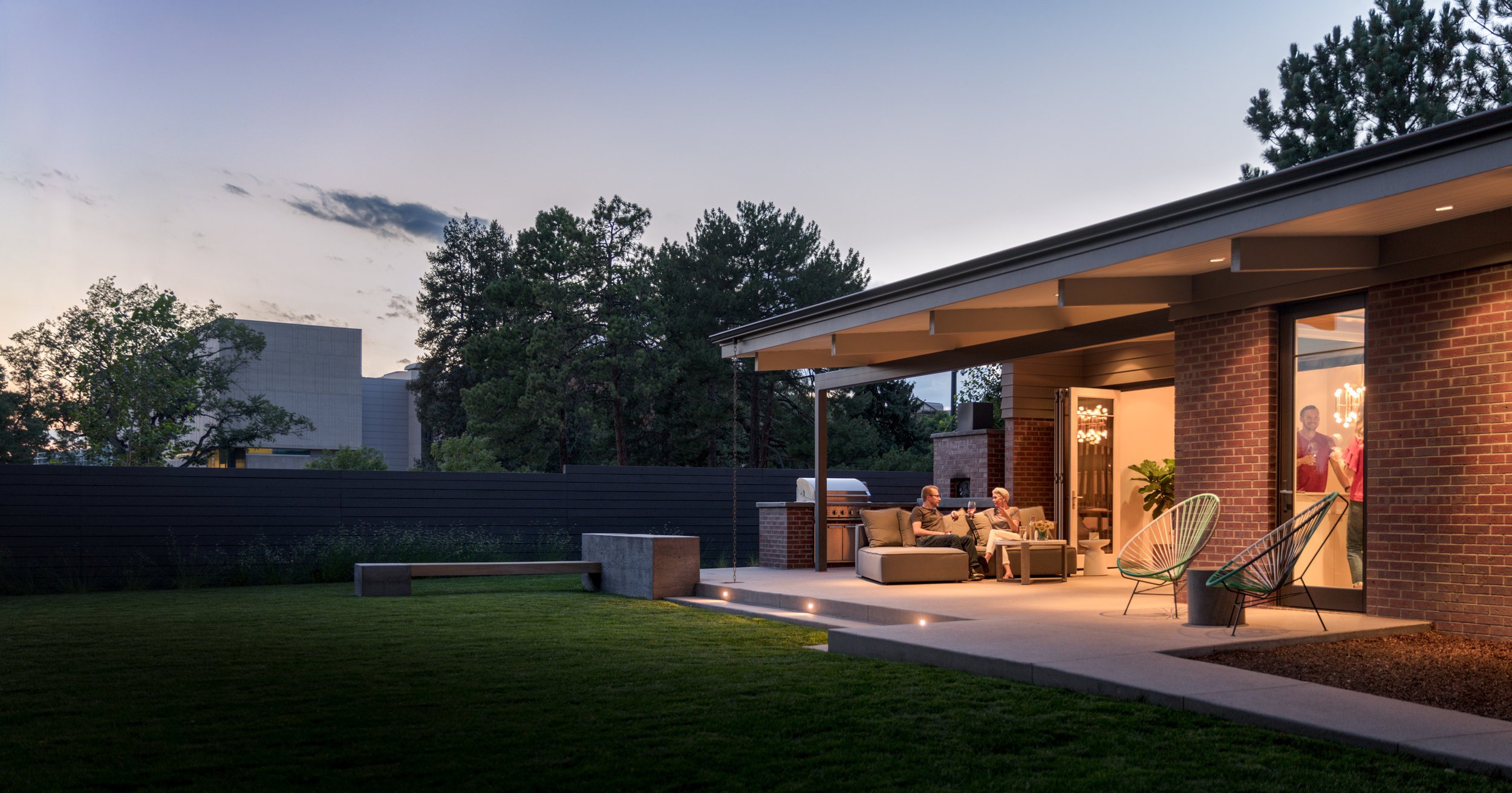
In Aspen, where the architecture is often exceptional and the interiors carefully considered, a patio has to meet the home at its own level. We study floor heights, door placements, and interior sightlines to create transitions that feel intentional rather than improvised. If the interior uses wide plank wood or polished concrete, the patio material selection reflects that character. If the home has a strong contemporary or refined rustic identity, the outdoor surfaces and details extend that language rather than contradicting it.
Thresholds are handled with care. The move from inside to outside should feel easy and natural, a widening of the space rather than a departure from it. We consider how the patio connects to the rest of the property as well, whether it steps down to a lawn area, opens toward a mountain view, or transitions into a wilder planted edge that lets the surrounding alpine landscape back in.
Material Selection for Durability and Character
Material choice at this elevation is a durability decision before it's an aesthetic one. We eliminate options that can't handle the climate regardless of how they look. Surfaces that crack under freeze-thaw cycling, materials that spall when moisture infiltrates and refreezes, pavers that become dangerously slick under snow and ice are all off the table from the start.
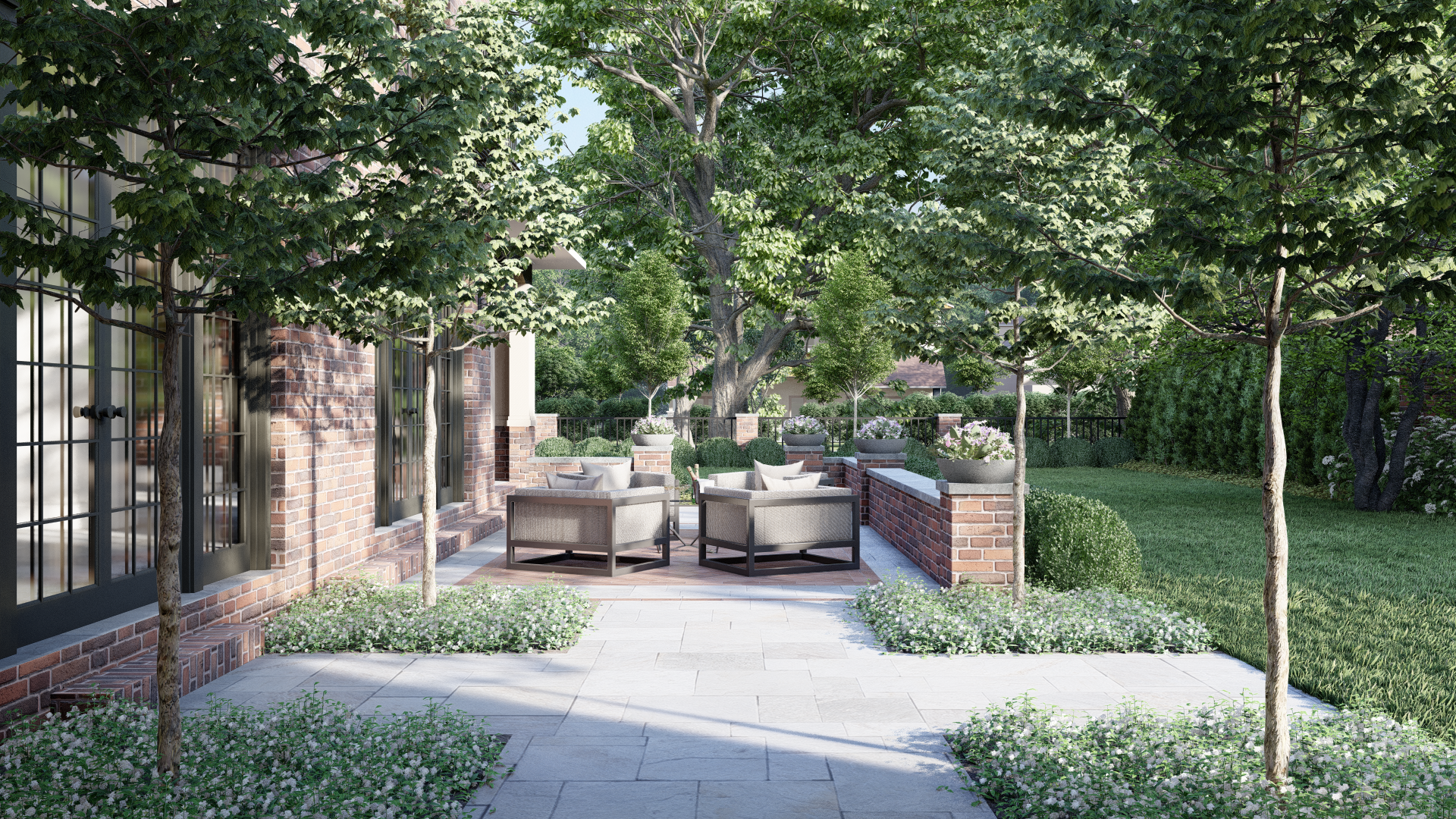
What remains is a palette of materials with proven performance in mountain environments. Local and regional stone brings natural character and thermal mass. Concrete can be textured and detailed to complement almost any architectural style while maintaining the structural integrity this climate demands. Weathering steel edging provides clean separation between paving and planted areas and develops a patina that suits the alpine setting.
Lighting, Plantings, and Layered Details
Lighting is planned from the beginning, not added at the end. In Aspen, where clear nights and remarkable skies are part of what makes the property worth owning, lighting design is about creating atmosphere without overpowering the darkness. Downlights in overhead structures, uplights in adjacent plantings, and low path lights create layers of usability without flood-lighting the space.
Plantings anchor the patio within the larger landscape. Native and cold-hardy species add seasonal color and texture without demanding care during the months the property is unoccupied. Deciduous shrubs and grasses that look composed under snow rather than disheveled. Trees that provide shade during peak season and frame mountain views year-round.
A Design Process Rooted in Site Observation
Every project begins on-site. We walk the property, take measurements, photograph angles, and note existing conditions: grade, drainage, sun exposure, wind patterns, views, and problem areas. That information becomes the foundation for every decision that follows.
Drawings are precise enough for contractors to bid and build from, and clear enough for clients to understand exactly what they're approving. Revisions happen early, before ground is broken and before decisions become expensive to change.
During construction, we coordinate with trades and review progress. Materials are checked for quality. Grading is verified. Drainage is tested. The goal is a finished surface that matches the intent of the design and performs without issue from the first season.
Begin Your Patio Project in Aspen
If you're planning a patio for your Aspen property, EBD Studios can guide you through a process built on alpine site knowledge, material durability, and long-term thinking. We design outdoor spaces that respond to how you use this place and how the Roaring Fork Valley behaves across all twelve months.
The result is a patio that feels intentional, performs reliably, and holds its character well beyond the peak season.